
Barcelona After Dark: How the City Actually Eats
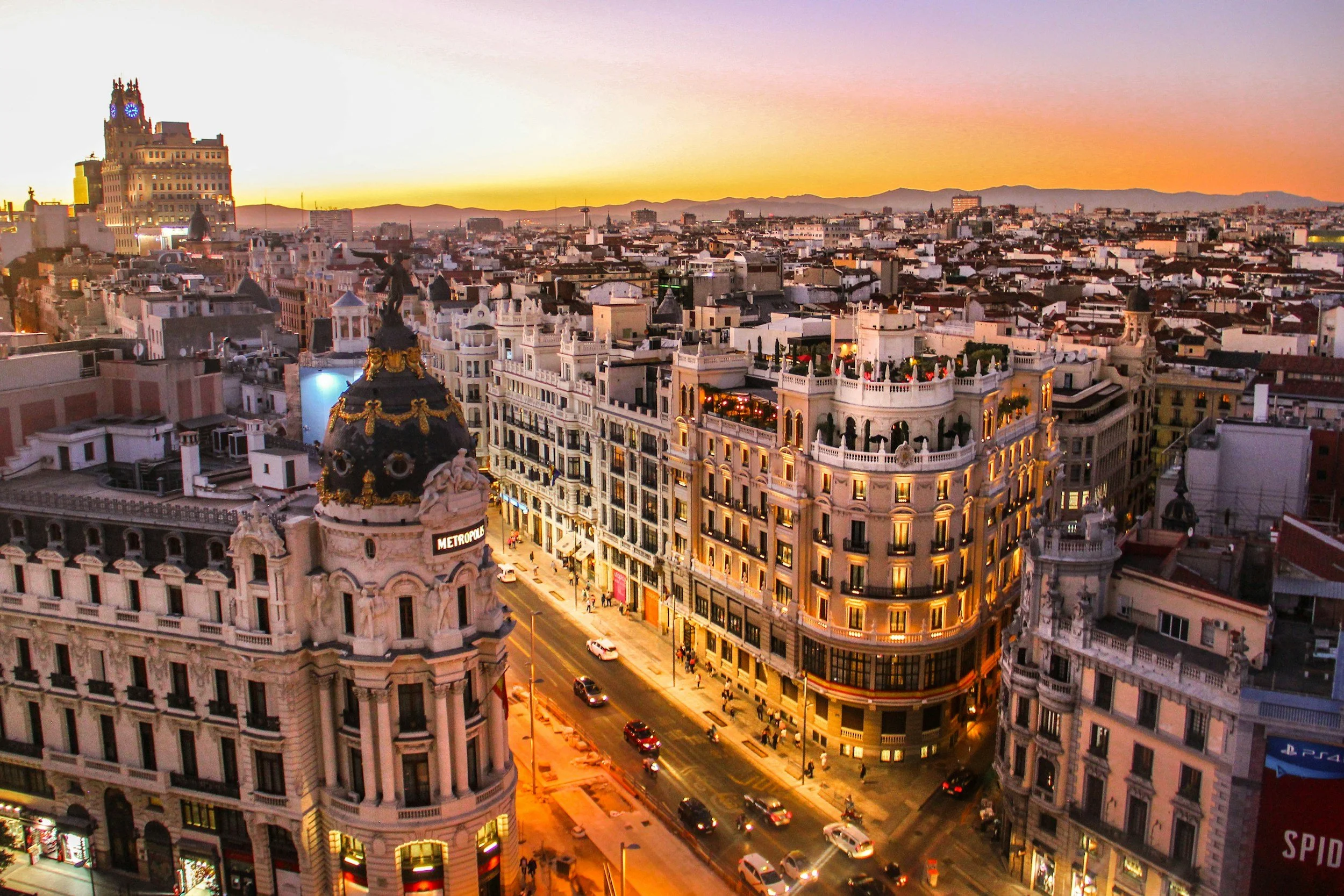
Barcelona After Dark: How the City Actually Eats
In Barcelona, dinner at 9pm is early. Here's what happens when you stop fighting the clock and eat on the city's terms.
The first thing to understand about eating in Barcelona is that your hunger is on the wrong schedule. If you arrive from London or New York or anywhere that considers 7pm a reasonable dinner hour, you will find yourself eating alone in a half-empty restaurant while the staff fold napkins and wait for the real evening to begin. The tourists eat at seven. Barcelona eats at nine, sometimes ten, and the kitchen doesn't mind either way.
This is not affectation. It is the actual rhythm of the day. Lunch is the main meal, eaten between 2 and 4pm, followed by a few hours of digestion and work, followed eventually by the aperitivo hour, followed by dinner when the air has finally cooled and the evening feels like it belongs to the people in it. Fighting this schedule is possible. Surrendering to it is better.
The aperitivo hour, which is everything
Between 7 and 9pm, Barcelona is at its most itself. Some vermut bars, which there a are hundreds of them, can be found tucked into the Eixample and spilling across the Poble Sec and the Born. These are bars that fill up with people who are not quite having dinner yet and are not quite not having dinner. A glass of house vermouth, served over ice with an orange slice and an olive, costs almost nothing. It comes with something to eat: a few olives, a small plate of anchovies, a gilda (the pintxo of anchovy, olive, and guindilla pepper skewered together, named after Rita Hayworth, sharper than it looks).
This is the meal that doesn't announce itself as a meal. It is the transition, the decompression, the reason you're not actually hungry for dinner until 9:30. Lean into it.
What to order, and where
Barcelona's food identity is Catalan first and Spanish second, which matters more than it might initially seem. The pantry is different: pa amb tomàquet that is bread rubbed with ripe tomato and good olive oil will appear on almost every table as a baseline, the way bread and butter would elsewhere, except better. Croquetes here are made with bacallà (salt cod) or pernil (Iberian ham) and are a completely different object from the stodgy pub version. Fideuà is the paella's cousin, made with short noodles instead of rice, finished in the oven so the top layer crisps, and served with aioli on the side.
The seafood is worth your full attention. Barcelona sits on the Mediterranean and has the fish markets to prove it — gamba de Palamós, the large red prawns from the Costa Brava, are among the finest things you can eat in Spain, and the correct preparation is the simplest one: grilled over high heat with salt, eaten with your hands.
For the full experience of Catalan cooking at its most considered, Bodega Sepúlveda in the Eixample is the kind of neighborhood restaurant that rewards regulars and is generous to strangers. The wine list skews Catalan, the menu changes with what's available, and the croquetes are excellent. Bar del Pla in the Born is good for montaditos and croquetes at the bar if you want something less formal. For seafood specifically, the restaurants around the Barceloneta have an uneven reputation so rather than eating closer to the beach, the more tourist-facing, one should venture one or two streets back and the quality improves significantly.
The Born and Poble Sec
The Born, which is the medieval quarter east of the Gothic, is where Barcelona's food scene has concentrated over the past decade, and it shows. The streets around the Basílica de Santa Maria del Mar are dense with wine bars, small plates restaurants, and the kind of places that open at 8pm and stay busy until 1am. It can feel curated, but the curation is mostly good: these are businesses that survive because the neighborhood uses them, not just because tourists pass through.
Poble Sec, on the other side of the Paral·lel, is the better argument if you want to feel less observed. The stretch of Carrer de Blai is famous for its pintxos bars. These are the Basque small-plates tradition, here transplanted and made slightly Catalan. One can eat standing up, pay by the skewer, and move between bars as the evening loosens. It is informal in the best sense. Nobody is performing. People are just eating and talking and having another glass.
The thing that takes time to learn
Barcelona rewards patience in a way that feels counterintuitive until it doesn't. The best meals here happen because you stopped trying to optimize them — you sat somewhere that looked right, you ordered what the table next to you was having, you stayed for another round of vermouth because the evening was still going and there was no particular reason to leave.
The city runs late because the city has decided that the night is worth using. Dinner at ten, a walk afterward, a last drink somewhere small and loud at midnight — this is not excess. This is just Tuesday.
The tourists who fight the schedule, who eat at seven and are back at the hotel by nine, see a different Barcelona entirely. It is a fine city at seven. It is a much better one at ten.
Visiting Barcelona? Our Barcelona Dining Guide covers the neighborhoods, markets, and restaurants worth your time